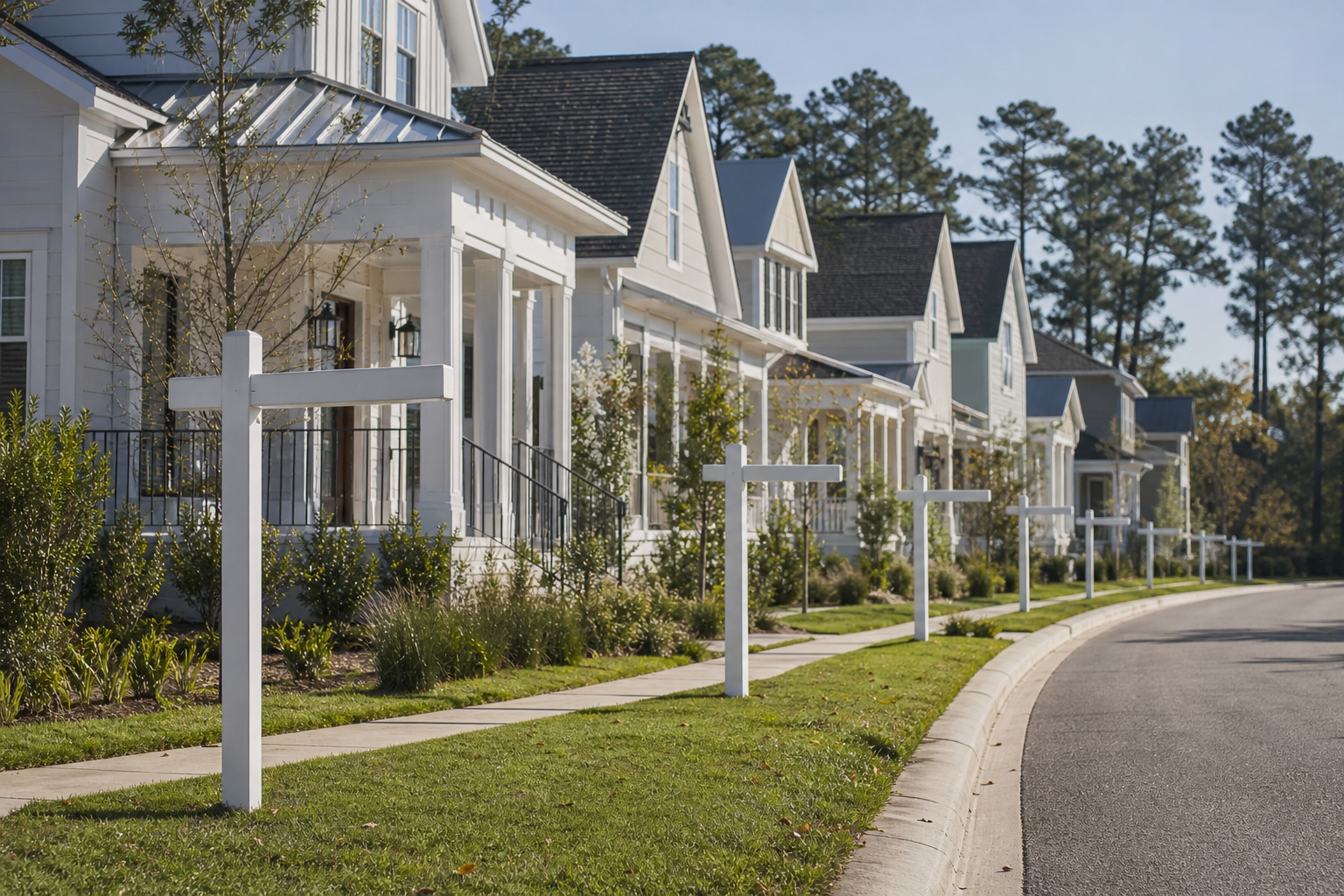

What should you ask before buying a home in Fort Bend County?
Before making an offer on a home in Fort Bend County, ask about flood zone status, HOA rules, property taxes, and the age of major systems. The answers will directly affect your monthly costs and long-term satisfaction.
Buying a home is one of the biggest financial decisions you’ll make, and Fort Bend County is one of the fastest-growing areas in the country. That means there’s a lot of inventory to sort through, a lot of motivated sellers, and a lot of details that can get glossed over in a fast-moving transaction. The right questions, asked early, can save you thousands of dollars and a lot of stress.
Whether you’re relocating to the Houston area, buying your first home, or moving up into a larger property in Richmond or Rosenberg, here are seven questions that should be on your list before you sign anything.
1. Is This Property in a Flood Zone?
This is non-negotiable in the Greater Houston area. Fort Bend County experienced significant flooding during Hurricane Harvey in 2017, and flood risk is a real and ongoing concern for many neighborhoods in this region.
Ask your agent to pull the FEMA flood map for any property you’re seriously considering. If the home is in a Special Flood Hazard Area (SFHA), you’ll likely be required to carry flood insurance — which is a separate policy from standard homeowner’s insurance and can add several hundred to over a thousand dollars per year to your costs. Even if the property isn’t in a designated flood zone, it’s worth asking the seller whether the home has ever experienced flooding or water intrusion.
Flood zone status is one of the top deal-breakers in this market, and for good reason.
2. What Are the HOA Rules and Fees?
Most master-planned communities in Fort Bend County are governed by a homeowners association. Before you fall in love with a home, find out exactly what the HOA covers, what it restricts, and what it costs.
In Fort Bend County, HOA fees are typically paid annually, not monthly, and they are not escrowed into your mortgage payment. That means the full amount comes due as a lump sum each year — something buyers accustomed to markets where HOA fees are rolled into escrow can be caught off guard by. Fees vary widely by community, so find out the annual amount upfront and plan for it as a separate line item in your budget. Beyond the fees, you’ll want to review the deed restrictions. Some HOAs have rules about fence styles, exterior paint colors, parking, short-term rentals, and even what you can store in your driveway. If any of those restrictions conflict with how you plan to use the property, it’s better to know before you’re under contract.
3. How Old Are the Roof, HVAC, and Water Heater?
These three systems are the most expensive to replace in a residential home, and their age directly affects your out-of-pocket costs after closing. A roof that’s 18 years old in a Texas climate may need replacement within a few years. An HVAC system that’s pushing 15 years is living on borrowed time — especially given the demand it faces during Houston summers.
Ask for documentation on each system and factor replacement timelines into your offer. A home inspection will give you more detail, but asking upfront lets you make a smarter decision about whether to pursue the property at all.
4. What Are the Property Taxes?
Texas has no state income tax, but property taxes are among the highest in the country. In Fort Bend County, effective property tax rates typically fall between 2% and 2.5% of the assessed value, depending on the city, MUD district, and applicable exemptions.
That means on a $350,000 home, you could be paying $7,000 to $8,750 per year in property taxes alone — roughly $583 to $729 per month added to your mortgage payment. Don’t estimate this number. Ask for the actual tax bill from the previous year, and ask your agent whether the property is in a Municipal Utility District (MUD), which can add an additional tax layer on top of the standard county rate.
5. Why Is the Seller Moving?
This question won’t always get a direct answer, but it’s worth asking. A seller who’s relocating for a job is in a very different negotiating position than a seller who’s moving because the neighborhood has changed in ways they don’t like — or because the home has ongoing issues they haven’t fully disclosed.
You’re not looking to pry into someone’s personal life. You’re trying to understand the motivation behind the sale, because that context shapes how you structure your offer and what contingencies you include.
6. How Long Has the Home Been on the Market?
Days on market (DOM) is one of the most useful data points in any transaction. A home that’s been sitting for 60 or 90 days in a market where comparable properties are selling in 30 is telling you something. It could mean the price is too high, the home has issues that have surfaced during previous inspections, or buyers have walked away for reasons that aren’t immediately obvious.
Your agent can pull the full listing history, including any price reductions and whether the home was taken off the market and relisted — a tactic sometimes used to reset the DOM clock. Don’t skip this step.
7. What Conveys With the Home?
Texas real estate contracts have specific definitions of what’s considered a fixture (stays with the home) versus personal property (leaves with the seller). But even within those definitions, there’s room for misunderstanding. Sellers have been known to take appliances, light fixtures, curtain rods, and mounted TV brackets that buyers assumed would stay.
Before you close, get clear on what conveys and what doesn’t. If you want the refrigerator, the washer and dryer, or the backyard playset, put it in writing. It’s a small step that prevents a frustrating surprise on move-in day.
FAQ
What is a MUD district and how does it affect my taxes in Fort Bend County?
A Municipal Utility District (MUD) is a special-purpose district created to provide water, sewer, and drainage services to areas outside city limits. MUDs are common throughout Fort Bend County, and they assess their own tax rate on top of the standard county and city rates. When evaluating a home, always ask whether it falls within a MUD and what the current MUD tax rate is.Do I need flood insurance if the home isn’t in a flood zone?
You’re not required to carry flood insurance if the property isn’t in a federally designated Special Flood Hazard Area, but it may still be worth considering in the Greater Houston area. Many homes that flooded during Hurricane Harvey were not in designated flood zones at the time. Talk to your insurance agent about the risk level for any specific property.How do I find out the property tax rate for a home in Richmond or Rosenberg, TX?
You can look up property tax records through the Fort Bend Central Appraisal District at fbcad.org. Your real estate agent can also pull the most recent tax bill for any property you’re considering, which will show the full breakdown of applicable tax rates.
Ready to start your home search in Fort Bend County with someone who knows this market? Give me a call at 832-220-1461 or grab a time on my calendar: https://calendar.app.google/2ZmfNrnPydm8a4CN6
— Amanda Dockum, Owner and Managing Broker | Crimson Realty | Richmond, Texas
www.crimsonrealtytx.com